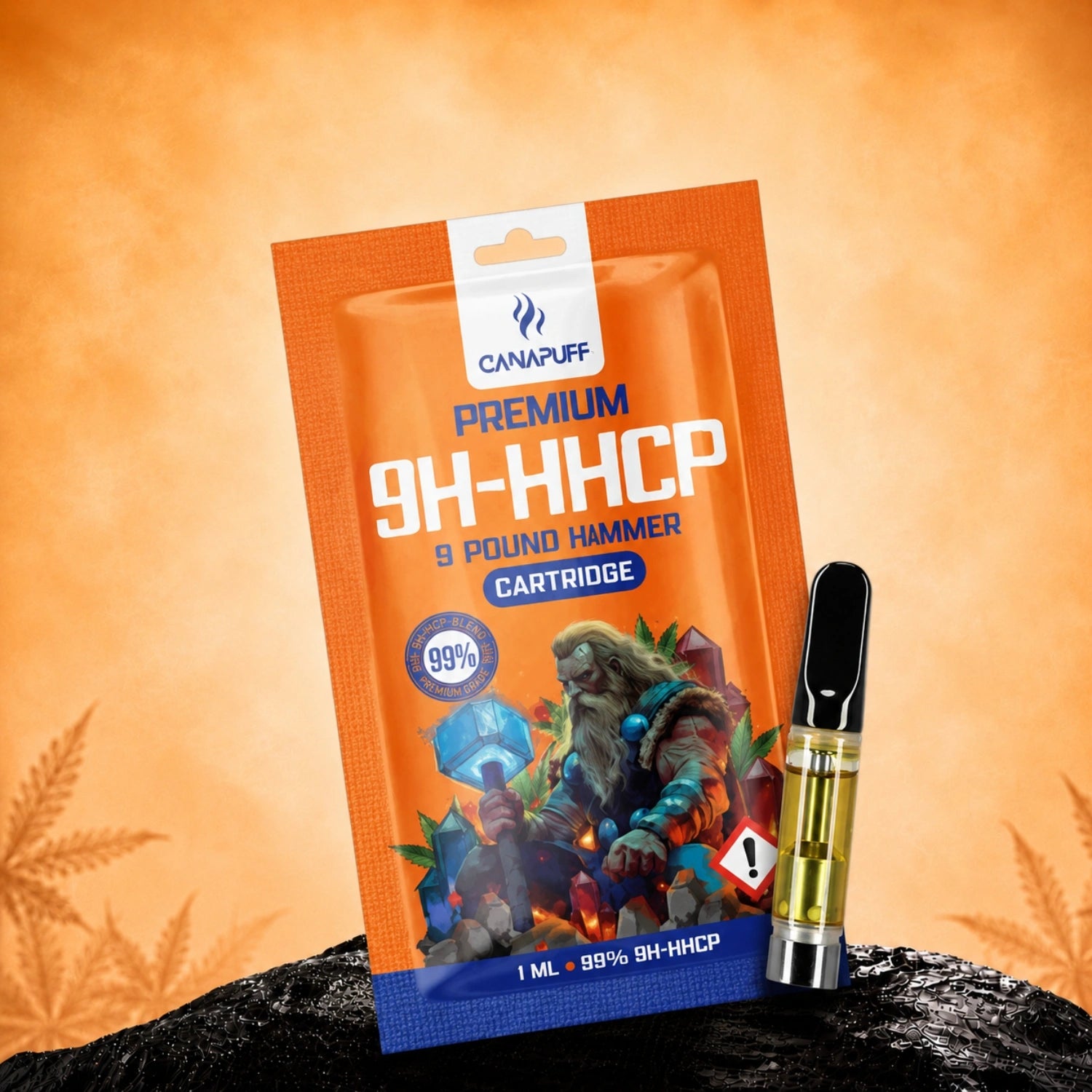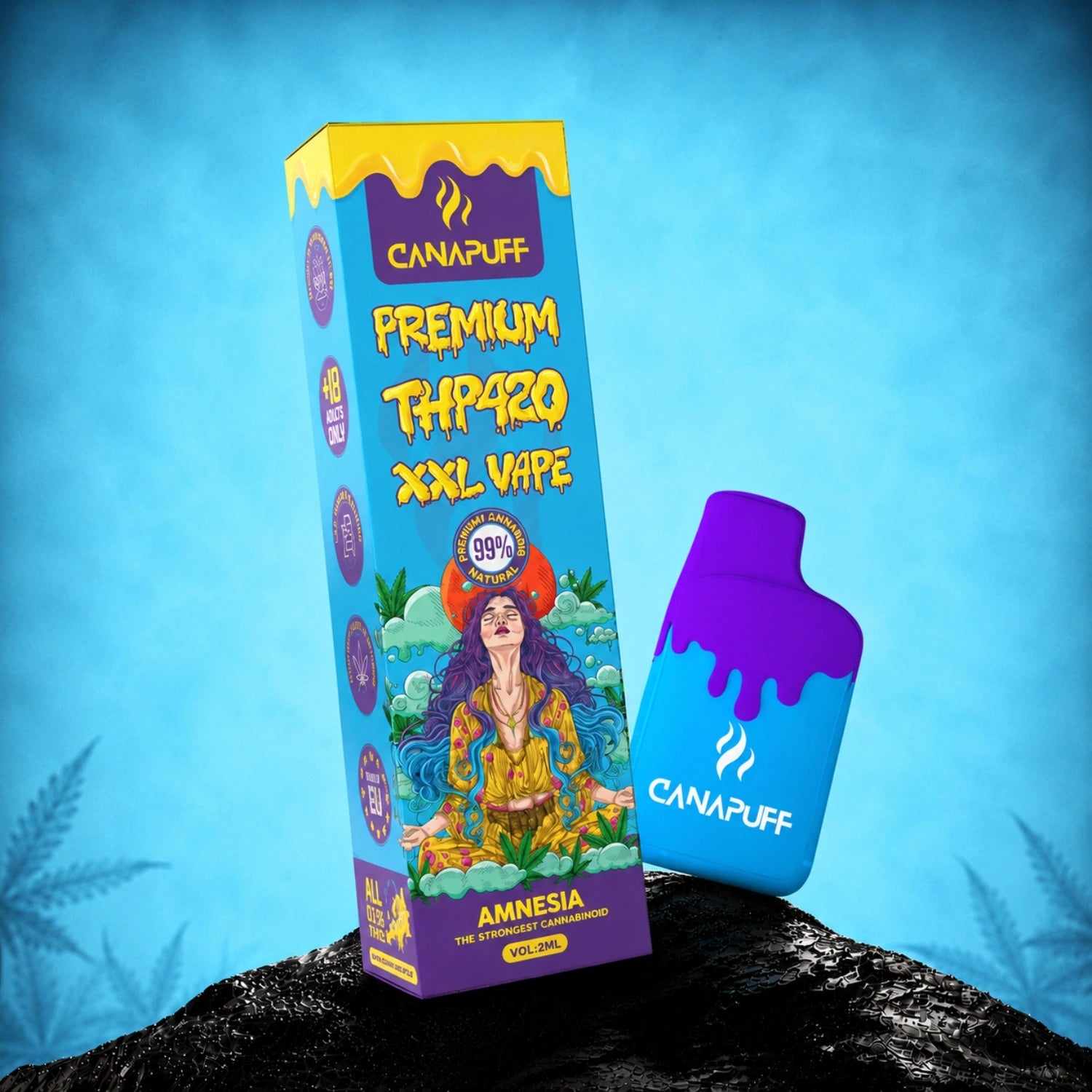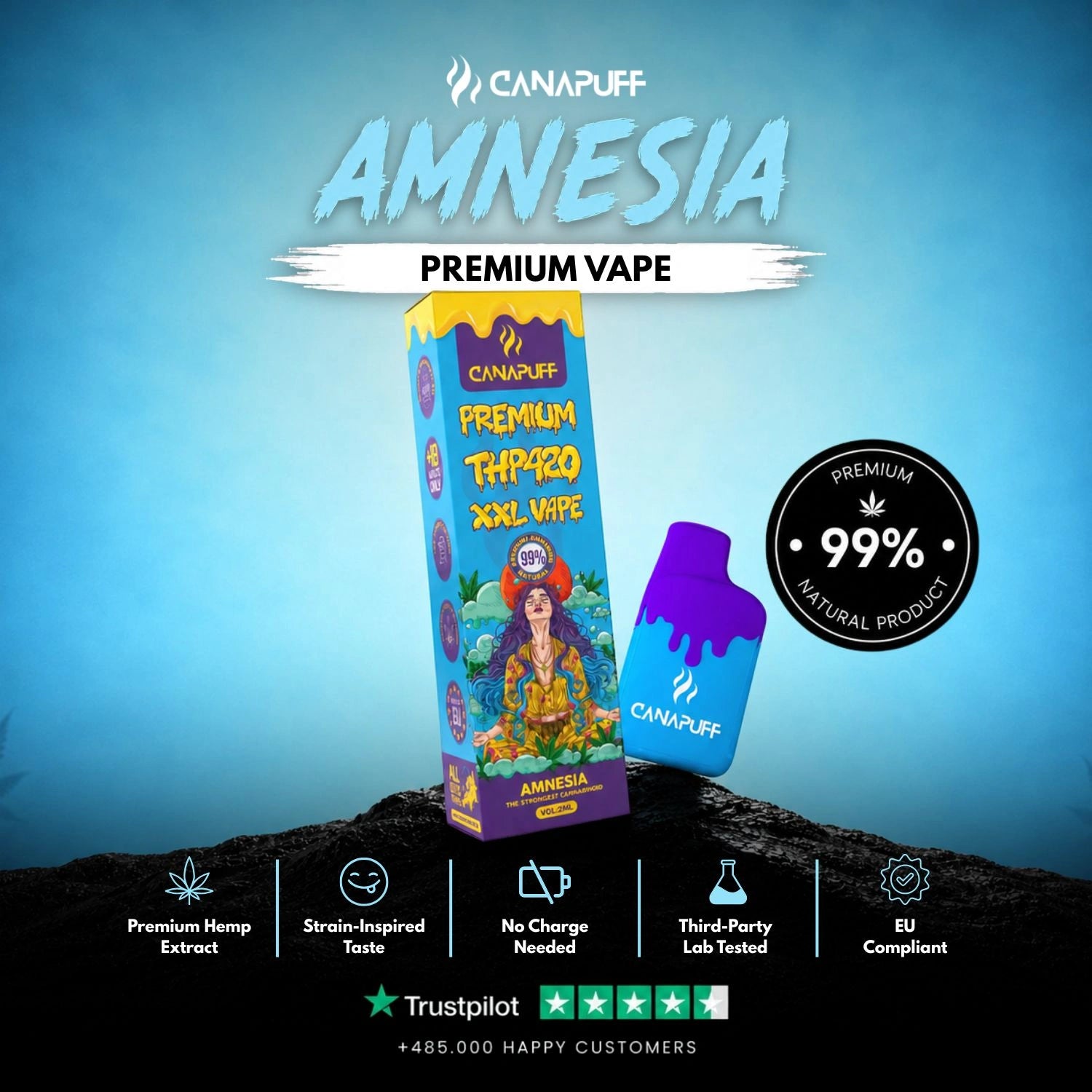




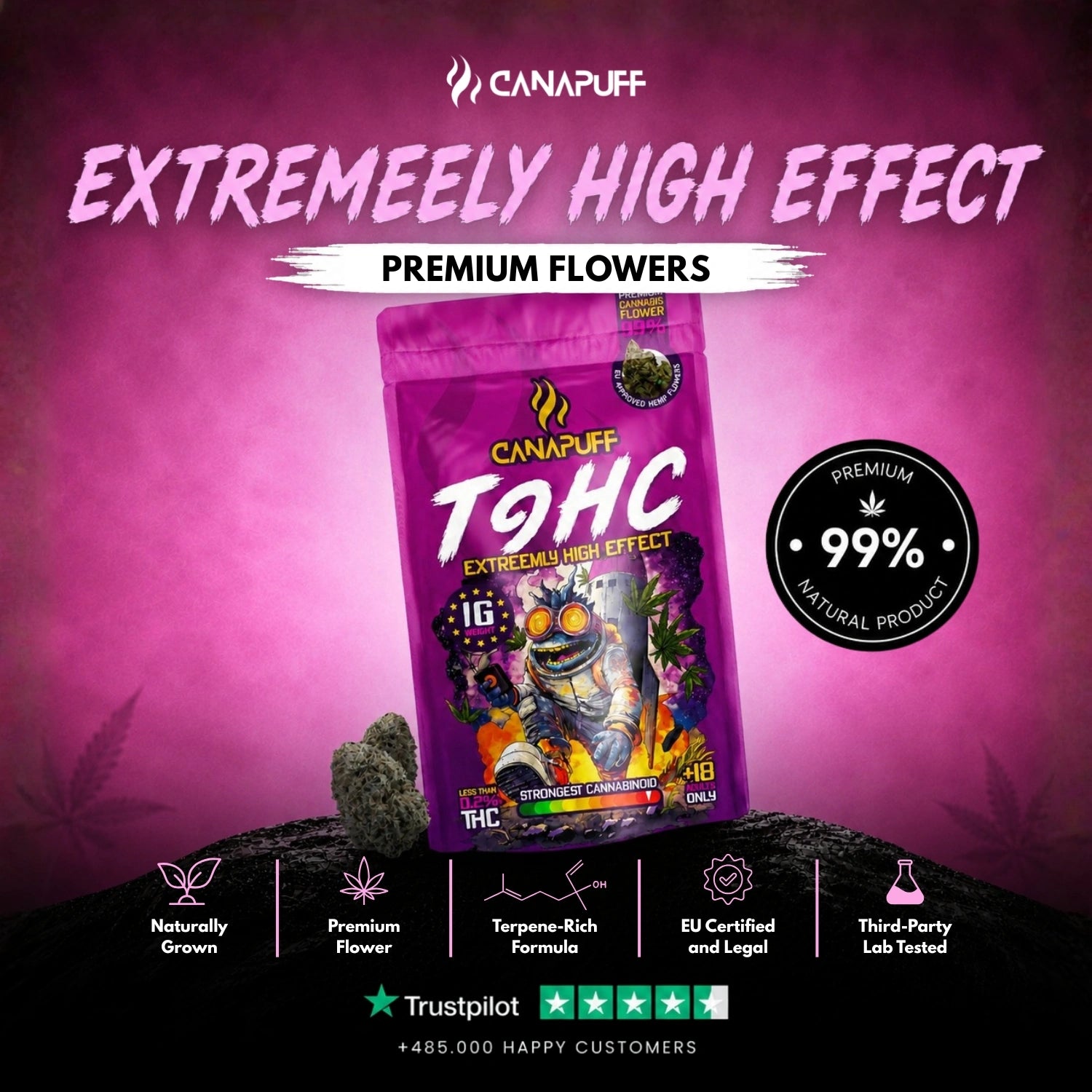


THCX, also written THC-X or THC X, is not one defined cannabinoid. The name does not stand for a single compound with a fixed chemical structure. It is a trade name that sellers use for different products, and the contents change from brand to brand. A blog hosted on the University of British Columbia website (UBC Vape Research, February 2024) describes THC-X as a vague umbrella term without a defined meaning in the cannabis industry. An earlier version of this article described THCX as a family of THC metabolites. We found no source for that definition and have corrected it.
Where the name comes from
The X in the name is a marketing label, not a chemical term. In cannabinoid names, the letters and numbers usually describe the molecule. Delta-8 and delta-9 refer to the position of a double bond. The A in THCA stands for acid, and the P in THCP points to a longer side chain. The X has no such meaning. It does not tell you which molecule is in the product or how much of it.
The UBC blog names two common uses of the term. The first is a proprietary blend called Formula X from the US brand Frozen Fields. The second is a general sales name for cannabinoid blends whose exact contents the seller does not declare. The three spellings THCX, THC-X and THC X refer to the same term. None of them is a protected name, so any seller can use it for any product.
What products sold as THCX contain
The contents differ from product to product, and the name alone does not tell you what is inside. According to the UBC blog, Formula X contains esters of delta-8-THC. The blog lists acetoacetate, butyrate and isovalerate esters. The blog does not cite a lab test.
Delta-8-THC itself is usually made in a laboratory. A 2022 study by Ray and colleagues in the journal Molecules explains that producers make it from CBD through a chemical reaction that is prone to side reactions. The team analysed ten delta-8 products, five distillates and five vape cartridges. They found several impurities in amounts far above what the lab certificates supplied with the products declared. In one sample, more than 15 percent of the content did not match delta-8-THC. You can read more about this cannabinoid in our article on delta-8-THC.
For a buyer, this has a practical consequence. If a label only says THCX, ask the seller which cannabinoids the product contains and in what amounts. If the seller cannot answer, you cannot know what you are buying.
THCX vs THC: what is the difference?
THC is a defined compound, while THCX is a label without a fixed content. In everyday language, THC usually means delta-9-tetrahydrocannabinol. This molecule occurs naturally in the cannabis plant, and its chemical structure is well described in research. Laboratories can measure it, and many national laws name it directly.
The trade name does not have a structure that a laboratory could look for. A product sold as THCX might contain a delta-8-THC derivative, another lab-made cannabinoid or a mixture of several substances. For this reason, it is not possible to compare the two as substances. You can only compare a known molecule with a sales name.
How it compares with THCP and THCA
THCP and THCA are defined molecules with a place in scientific research, and THCX is not one. THCP, or delta-9-tetrahydrocannabiphorol, was described in 2019 by an Italian team led by Cinzia Citti in the journal Scientific Reports. The researchers isolated it from a cannabis plant. Its structure is the same as delta-9-THC except for a longer side chain with seven carbon atoms instead of five. Our guide to THCP covers its background in more detail.
THCA, or tetrahydrocannabinolic acid, is the acid form of delta-9-THC. The living and the freshly harvested plant contains mainly THCA. When THCA is heated, it loses a carboxyl group and turns into delta-9-THC. This process is called decarboxylation. Our article on THC and THCA explains the chemistry step by step. Searches such as THCX vs THCA or THCX vs THCP compare two known molecules with a trade name. The honest answer is that the result depends on what the specific THCX product contains.
Other new cannabinoid names
THCX is one of many new names that appeared as lab-made cannabinoids spread on the market. Many of these substances are semi-synthetic. This means that producers start with a natural cannabinoid, usually CBD from hemp, and change it in a laboratory. The delta-8-THC study by Ray and colleagues shows this route in detail.
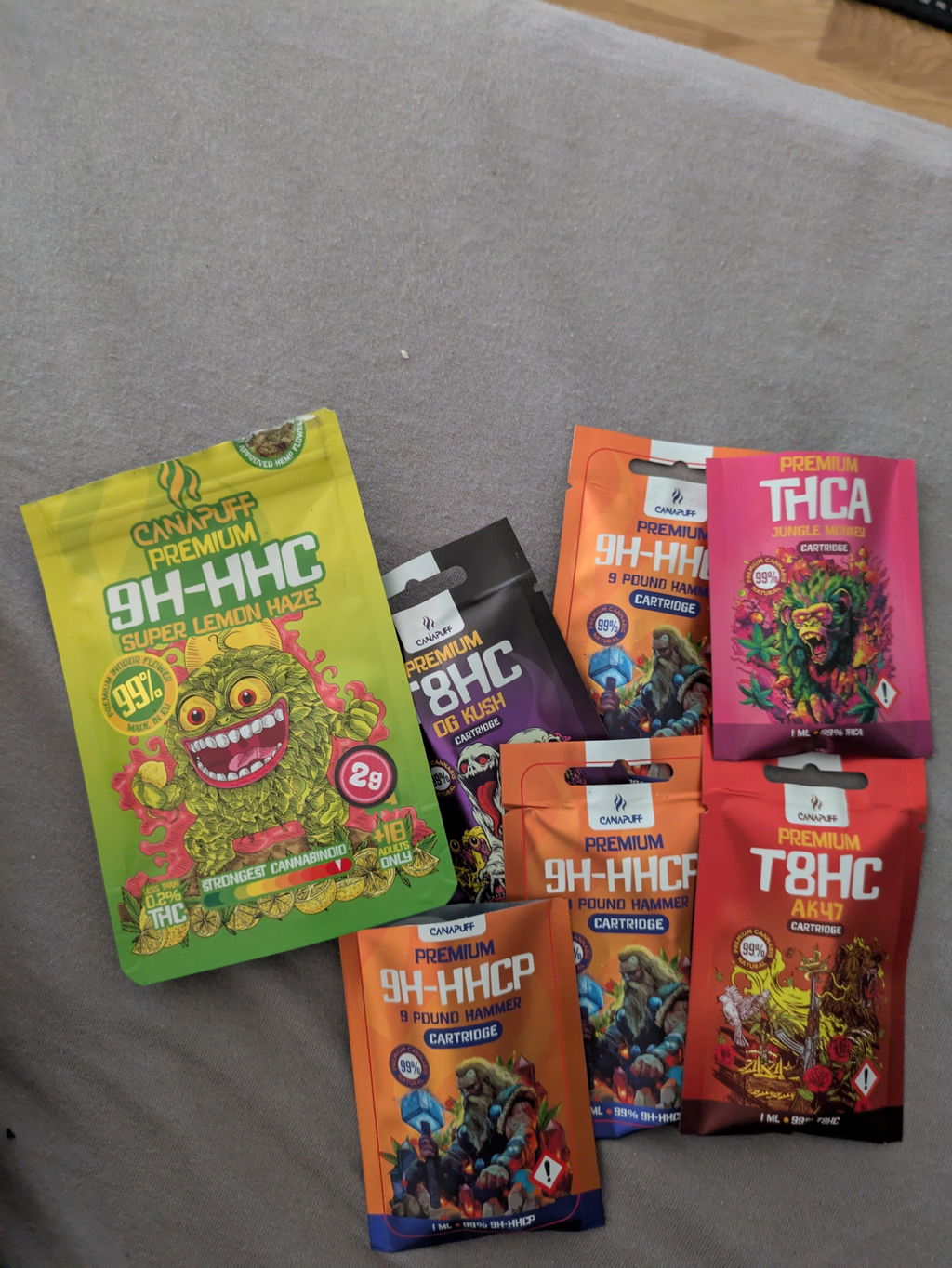
Some of these names refer to one declared cannabinoid, and the product label states its content in percent. The name THCX does not work this way, because it does not fix the contents. Do not treat it as another name for a product you already know. Canapuff, for example, sells products with T8HC, a lab-made cannabinoid. Our T8HC collection lists these products with their declared content. T8HC is a separate name and is not the same as THCX.
What decides the legal status
Laws regulate substances, not trade names, so the name alone does not decide the legal status. The status depends on two things: what the product contains and the law of the country where you are. Some countries list single substances by name. Others cover whole groups of molecules by their chemical structure.
Germany is one example of the group approach. Annex 1, No. 2.3 of the Neue-psychoaktive-Stoffe-Gesetz (NpSG) covers a whole group of cannabinoids that share a defined core structure. The NpSG was last amended by the Act of 7 January 2026 (BGBl. 2026 I No. 2). Annex 1 is in the version of the Ordinance of 26 November 2025 (BGBl. 2025 I No. 292). Under such a rule, the molecule in the product counts, not the name on the package. A product without a full list of its cannabinoids makes this check impossible. Rules for cannabinoids change often in Europe. Check the current law of your country before you buy any cannabinoid product.

Research gaps and warnings
There is almost no research on products sold as THCX. The UBC blog states that there is no specific research on how the body processes the delta-8-THC esters in blends like Formula X. What most THCX products contain remains an open question.
Products with lab-made cannabinoids are for adults aged 18 and over only. Do not consume them if you are pregnant or breastfeeding, if you take medication, or before you drive or operate machines. If you have a medical condition, talk to a doctor first. Keep all cannabinoid products out of reach of children and pets.
Last reviewed: 8 October 2026.