






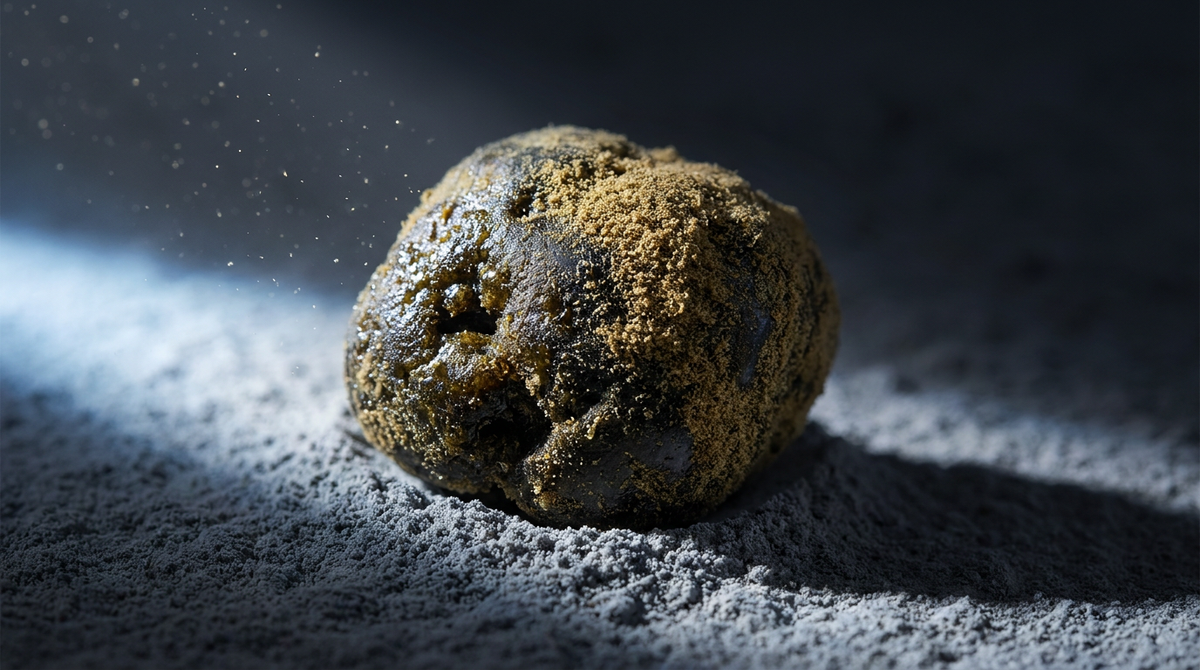
Most people who try moon rocks for the first time use too much. The product looks like a dense, well-finished cannabis flower. Nothing about the appearance signals what it actually delivers.
That is the core issue with moon rocks weed: the visual cues that normally help you calibrate are missing. What you are looking at is a 50% to 60% THC product dressed up as something that resembles regular flower. Understanding what is inside the crust before you use it matters.
This guide covers what moon rocks weed actually is, how to use it correctly, and what to check before buying in Europe.
Three Ingredients
A moon rock is a cannabis flower coated in concentrate and rolled in kief. Three components, one product. Each layer contributes something different to the final result.
| Layer | Material | What it contributes |
|---|---|---|
| Base | Cannabis flower | Structure, base cannabinoids, terpene foundation |
| Middle | Cannabis concentrate (oil) | THC amplification, binding surface for kief |
| Outer crust | Kief (raw trichome powder) | Additional cannabinoids, aroma density, crust |
Dense, well-cured bud holds the coating better than loose or airy material. Flower that is too dry or poorly trimmed tends to shed the oil layer during production and arrives as crumbled fragments rather than intact product. Bud selection also determines the base terpene profile, which carries through the entire finished product.
Moon rocks were first developed in California in the early 1990s. The original version, associated with rapper Kurupt and Dr. Zodiak, used Girl Scout Cookies flower coated in hash oil and kief. The format has spread globally since then, with production quality varying widely depending on the supplier and the sourcing of each component.
The flower gets coated in cannabis concentrate, typically a full-spectrum oil or a CO2 extract. Full-spectrum oil preserves the minor cannabinoids and terpenes from the original plant. A pure distillate adds THC concentration but strips most of the complexity out. Once coated, the flower goes into kief while the oil is still sticky. Kief is the raw trichome powder that separates from cannabis during handling and harvesting. It binds to the oil and dries into a dense outer crust.
Combined, the three layers produce something that typically sits between 50% and 60% THC. Standard cannabis flowers land around 20% to 30% in most markets. That gap produces an experience that is different in kind, not just degree.
Moon Rocks vs Standard Cannabis Flower
| Moon Rocks | Standard Flower | |
|---|---|---|
| Typical THC range | 50–60% | 20–30% |
| Onset time | 15–30 minutes | 5–15 minutes |
| Duration | 4–6 hours | 1.5–3 hours |
| Body effect | Heavy | Moderate to variable |
| Grinder compatible | No | Yes |
| Best method | Pipe or bong (loosely packed) | Joint, pipe, vaporizer |
What 50% THC Actually Means
The mistake is treating moon rocks as a higher-percentage version of regular flower. The comparison is not quite right.
With standard flower, the effect builds on a familiar curve. You have a reasonable sense of where you are 15 to 20 minutes in, and the arc follows a predictable pattern. With moon rocks, onset is slower, often 15 to 30 minutes, and the build phase extends further than most users anticipate on a first session. Body load is heavier. Duration runs four to six hours on a conservative estimate, sometimes significantly longer.
Part of what drives this is the layered delivery mechanism. Combusted flower contributes cannabinoids immediately. The oil layer absorbs on a slightly offset timeline. The kief adds another variable on top. The result is a multi-phase experience that keeps building longer than a single-source product would.
A full-spectrum oil preserves the full range of minor cannabinoids and terpenes, which modulate the THC experience through what is broadly called the entourage effect. A pure distillate delivers concentrated THC without that modulation. Users often describe the two experiences quite differently, even at similar THC percentages.
The practical rule: start with a piece the size of a pea. Wait a full 30 minutes before you reassess. The most common mistake is checking in at 20 minutes, deciding that nothing is happening, and taking more. By the time the second piece takes effect, the first is fully active.
The Grinder Is the Wrong Tool
Skip the grinder entirely. Most people reach for one anyway. It jams. The oil coating saturates the teeth and the kief clogs the screen. Cleaning it afterward takes real effort and typically damages the mesh in the process.
Break the material apart by hand into rough pieces instead. They work fine in a pipe or bong bowl. Pack loosely so air can move through freely. Moon rocks burn slowly because of the oil layer, which is an advantage once you know how to work with it. The material holds heat well, the session lasts longer than with flower alone, and you do not need to relight constantly.
Adding moon rocks pieces to a joint works, but only alongside ground flower. Pure moon rocks in rolling paper will not draw properly. Vaporizers are a poor match. Most chambers are designed for flower or concentrates separately, not for oil-coated material.
Buying Moon Rocks in Europe
The moon rocks market has more inconsistent product than good product. The three-layer format is easy to produce badly. The ingredients are cheap, the process is straightforward, and the final product looks the same from the outside regardless of what went into it.
A batch-specific certificate of analysis is the one document that separates a real product from a questionable one. Not a general lab report. Not documentation from a previous production run. The COA that corresponds to the exact batch you are buying. It should confirm the full cannabinoid profile and show clean results for pesticides and heavy metals. A seller that cannot produce it on request is, in effect, answering your question for you.
In most European countries, hemp-derived products within the applicable THC threshold are legal to purchase. Store in an airtight glass container at room temperature, away from direct light and heat.
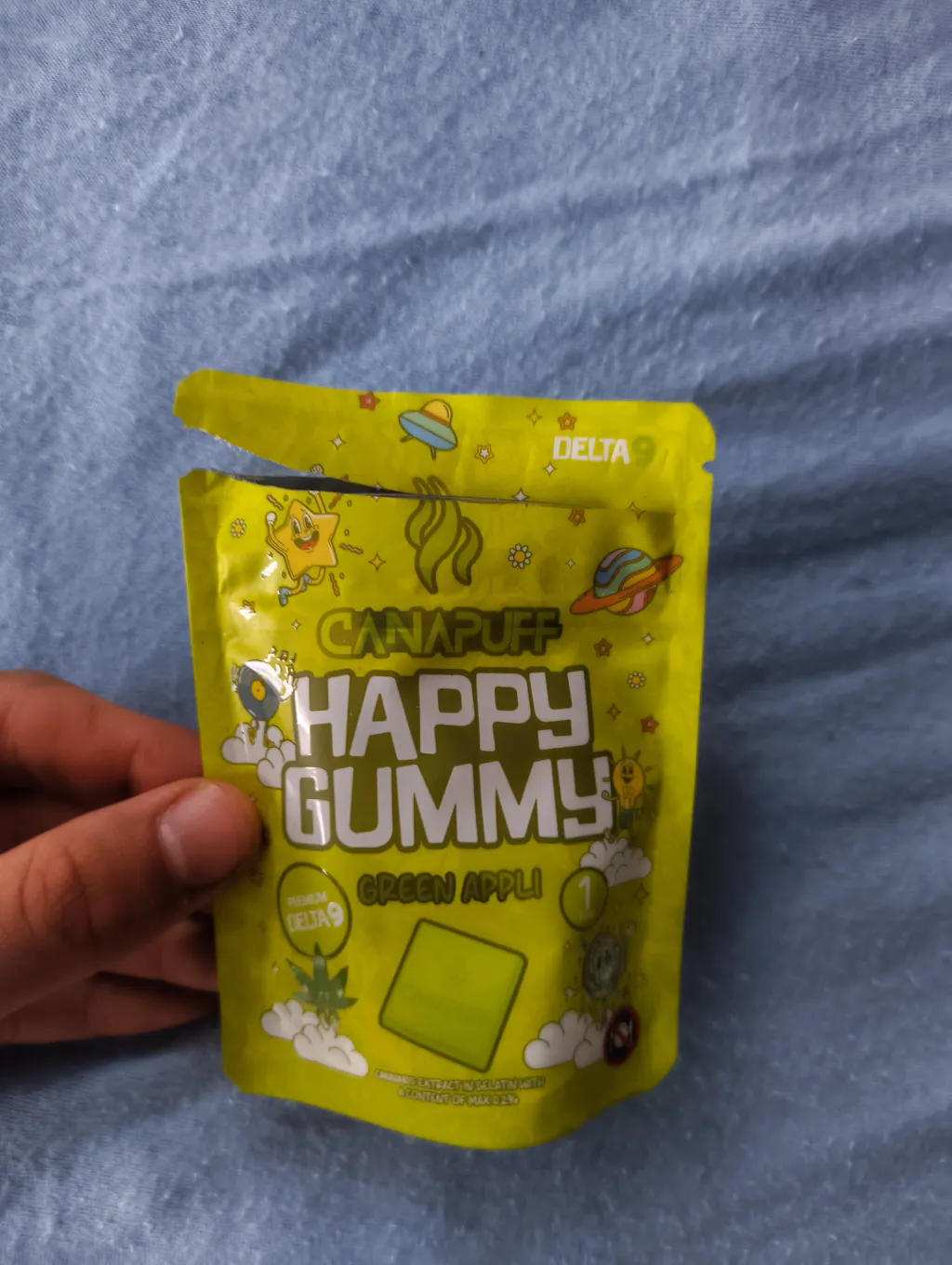
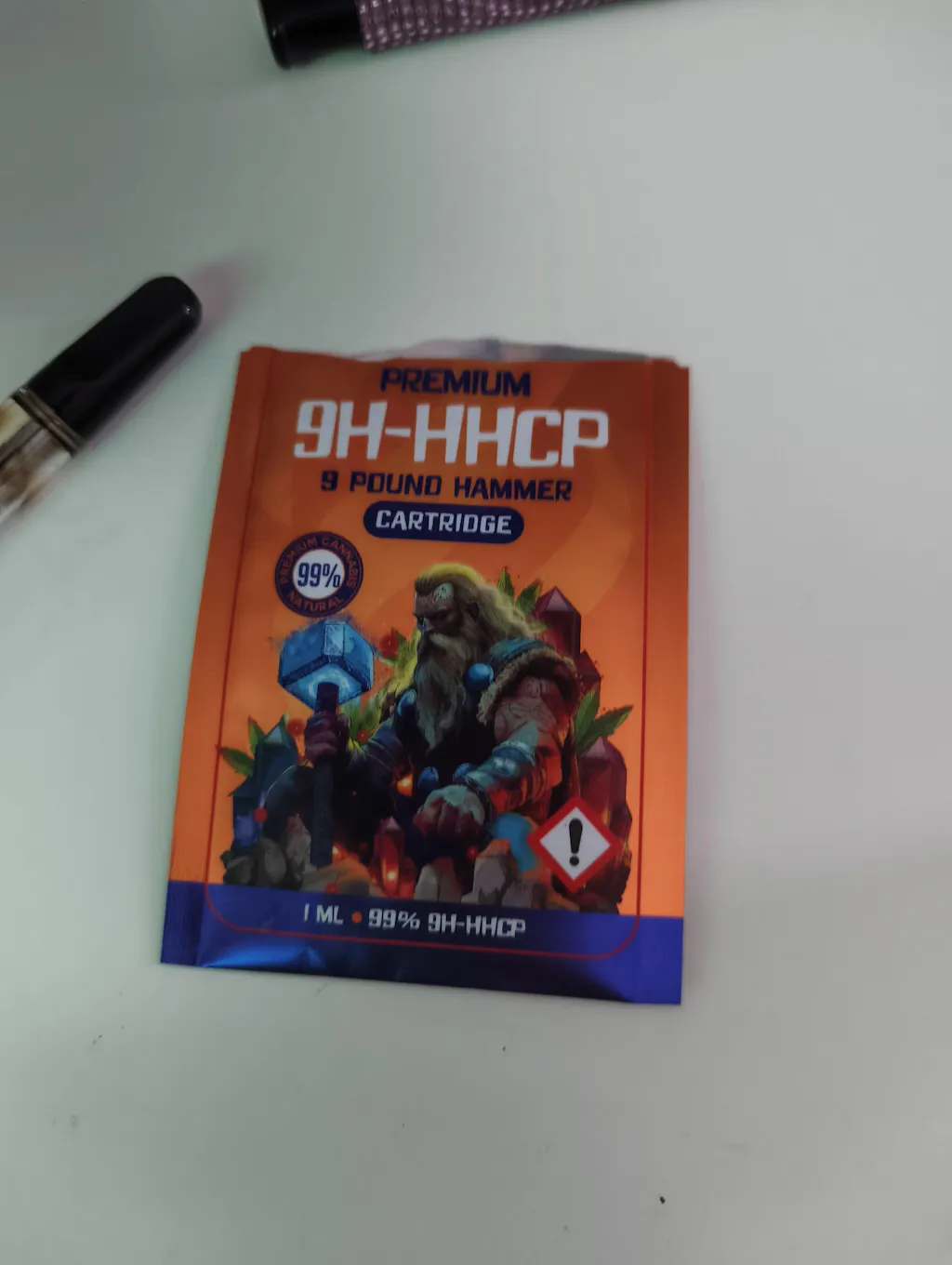
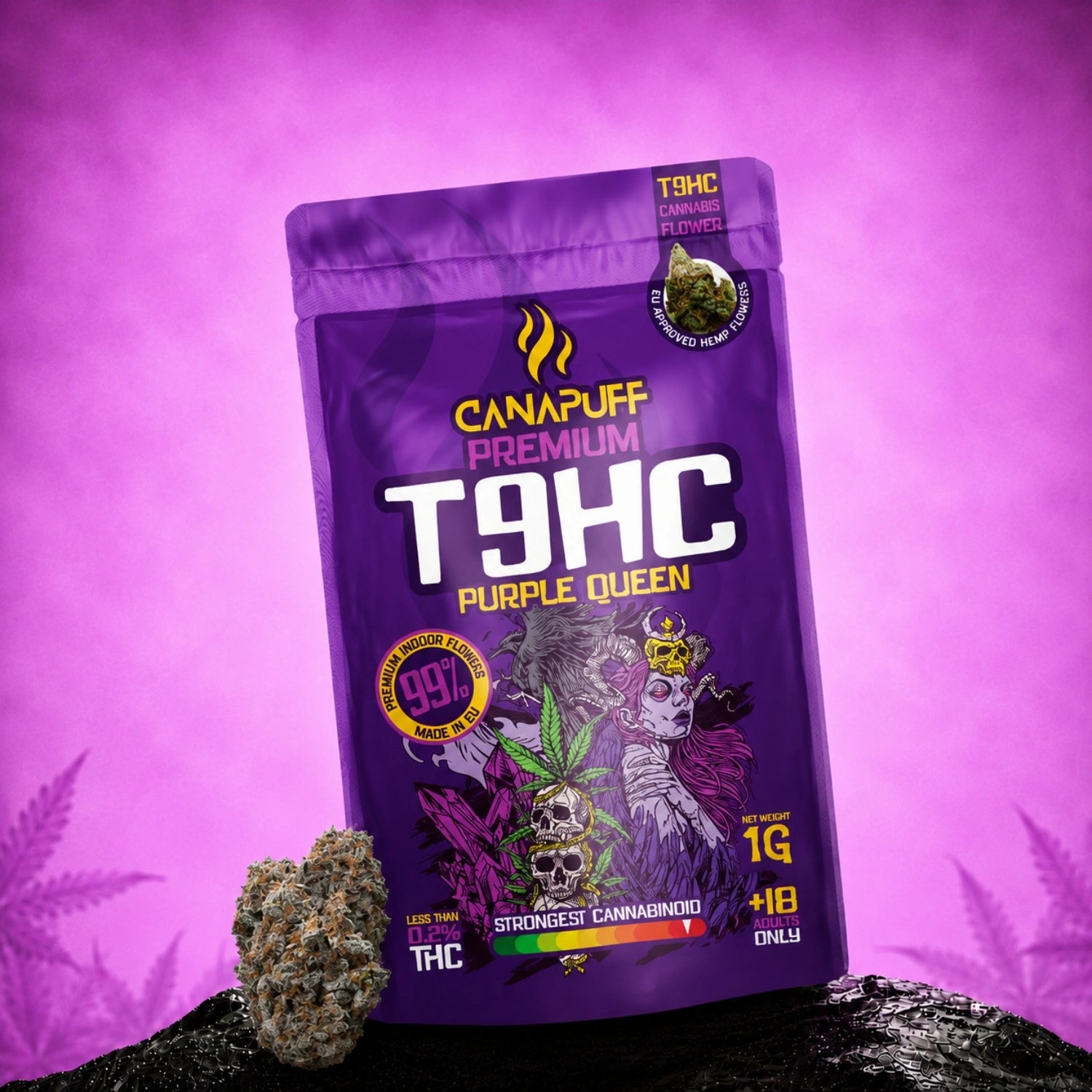
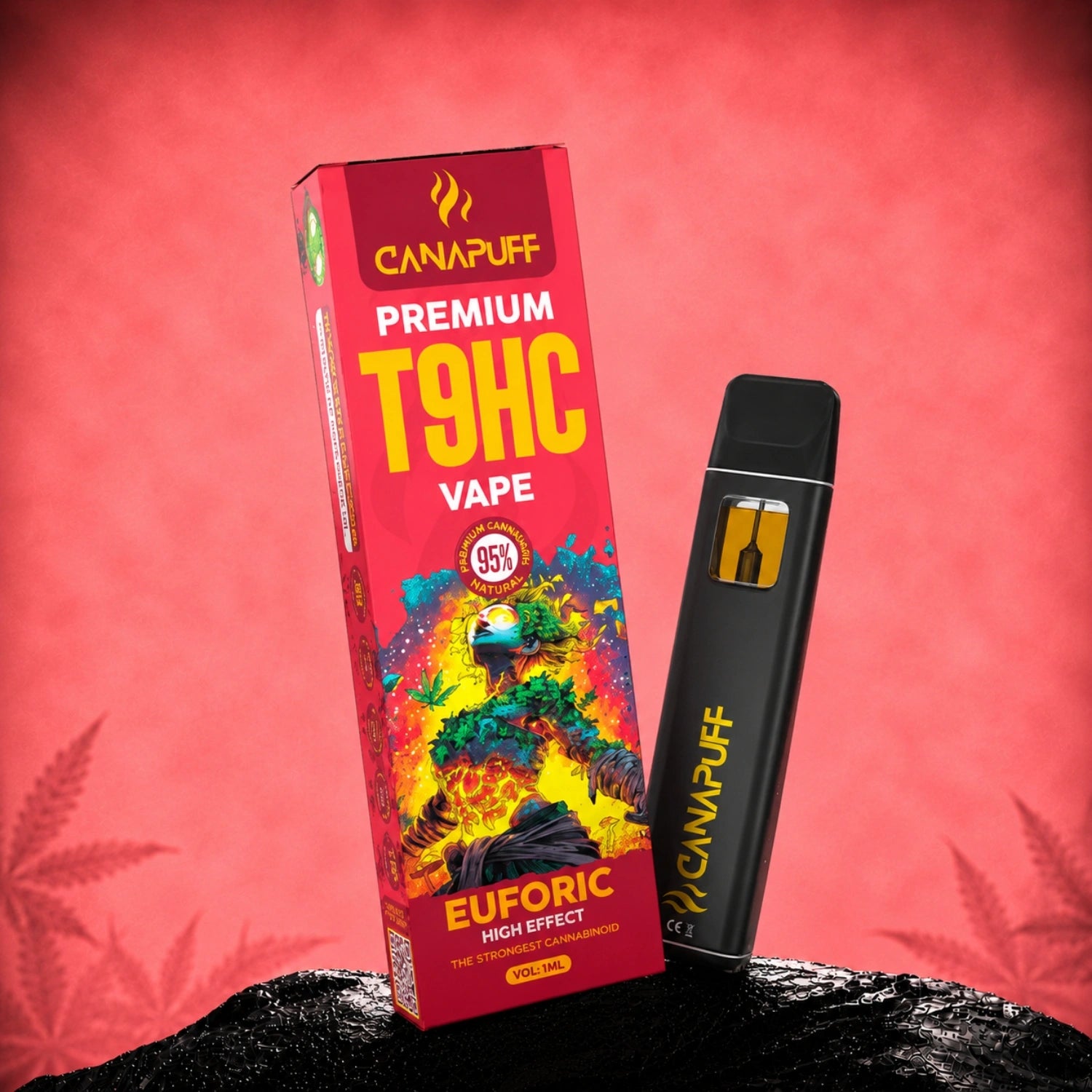
Canapuff moon rocks come with batch-specific COA documentation and are available at our moon rocks collection. For cannabis flower products, see cannabis flowers.
Article by Pablo Vega | Last full review: May 2026